LIFESTYLE
- - December 30, 2025
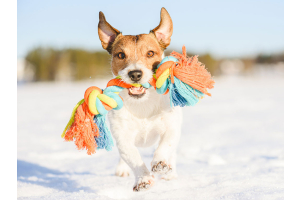
What is enrichment for dogs?
Enrichment can be defined as the 'act of improving or enhancing the quality or value of something'. For your dog, enrichment often means thinking outside of the box to provide them with stimulating activities that engage their mind, body and senses.
Most enrichment activities challenge dogs to think and problem-solve at varying levels of difficulty, depending on your individual dog. Super-smart dog breeds can be sometimes be harder to satisfy with standard enrichment activities, but luckily there are plenty of options out there for your intelligent pooch!
Equally, not every enrichment activity is going to suit every dog. While some dogs are
- - November 13, 2025
Candles, wax melts, and plug-in air fresheners promise cozy ambiance, relaxation, and that "just-cleaned" scent. Television commercials ensure us that it is a simple way to create the perfect home and judging by the common presence of them in many homes, we have believed the marketing pitch. But what do we really know about what's floating in the air when we light a candle or plug in an air freshener? Concerns about indoor air quality from fragranced products aren't new. Many of us have long suspected that what makes our homes smell good might not actually be good for us.
I saw a social media post that said a new study from Purdue University claimed scented wax melts can release nanoparticles at levels comparable to diesel exhaust and gas stoves. My first thought was: Wow! That sounds rather dramatic. Is it true? And, if it is, what does it really mean for our health - and for the pets and kids who share our homes?
Let's dig into the science, cut through the hype, and look at safer choices
- - September 17, 2025
Taking your dog for a walk on a glorious summer day is an absolute joy. But when rainy weather rolls around, those daily strolls can feel more like a chore. While it might be tempting to stay cozy inside, there are ways to make rainy dog walks something you can both enjoy.
For many dog owners, wet weather is one of the biggest downsides of having a dog. Some pups are happy to wait out the rain indoors, while others can’t resist splashing through puddles and dragging you out into the cold, whether you’re ready or not!
The good news? With a few simple adjustments, you can embrace the rain and make the most of your time outdoors. Here’s how:
1. Prepare Your Home for the Aftermath
A little preparation before you head out can save time and stress when you return. Lay out towels, a bath mat, and even a dog drying coat near the door to minimize muddy paw prints and soggy fur around your home. If your dog tends to get particularly messy, consider running a bath beforehand for a quick rinse
- - June 24, 2025
You may think that slow-feeder bowls are just for dogs who scoff — the type who bolt their meal down in 5 seconds flat (and are usually ready for a second round straight after!). However, all dogs, including those who may not seem food-motivated, can benefit hugely from interactive feeding methods. In this blog we'll look at the benefits of enrichment, the science behind why it works, and some easy ways to build it into your dog's daily routine.
If your dog's mealtime routine consists of a traditional bowl of food, fed in the same way everyday, you're missing out on a golden opportunity for fun, mental stimulation and even health benefits. In recent years, many pet parents have ditched the bowl in favour of interactive, enrichment-based feeding methods, and for good reason!
What is Enrichment Feeding?
Enrichment feeding is all about offering food in ways that encourage your dog to engage their brain and natural instincts. Instead of simply being handed their dinner in a bowl, dogs - - June 20, 2025
With the summer sun making an appearance and a heatwave on the cards, it’s important to take extra precautions to keep your dog cool, comfortable and safe in the warmer months.
Unlike us, dogs don’t sweat all over — they regulate their body temperature mainly through panting and through the pads of their feet. This makes them much more prone to overheating. Dogs with darker coats, short noses (like pugs and bulldogs), long or thick fur, and those who are very young, elderly, or have underlying health conditions are particularly vulnerable.
Dogs can succumb to heat stroke without shade, ventilation and water as well as after vigorous exercise or over excitement. Here are our top tips for helping your dog stay safe in the heat:
1. Never Leave Dogs in Cars or Confined Spaces
We all know it, but it bears repeating: never leave your dog in a car on a warm day — even with the windows cracked or parked in the shade. Cars can turn into ovens frighteningly fast, with temperatures soaring above
- - May 28, 2025
Whether your dog is your hiking buddy, an agility star, or just full of boundless energy, regular activity plays a big part in keeping them physically and mentally healthy. But just like us, dogs need proper recovery after intense exercise to help prevent injuries and keep them feeling their best.
Here are five natural and effective ways to support your dog’s recovery after a long walk, training session or weekend adventure.
1. Feed a Targeted Performance and Recovery Supplement
Summer adventures, sports training, and long hikes all increase your dog’s physical demands. A dedicated performance and recovery supplement can help sustain energy, build strength, and speed up post-exercise recovery.
Look for formulas that include amino acids, vitamins, joint support, and anti-inflammatory ingredients. These supplements are ideal for active and working dogs, supporting endurance, muscle repair, and resilience after a hard day’s work.
Some of our favourites include:
- - January 14, 2025
If you're worried about global plastic waste, you're not alone. Around 400 million tonnes of the stuff is produced every year, with an estimated 50% of this being single-use plastic. But what can we do to reduce our individual plastic footprint as pet owners? The answer's simpler than you might think...
Poo bags are an unavoidable part of life for dog owners. With around 13 million dogs in UK homes, the daily tally of waste bags used across the country is staggering. Unfortunately, the journey of these bags doesn’t end when we throw them in the bin. Instead, many of them go on to contribute to one of the planet's biggest challenges — plastic pollution.
The problem with traditional plastic poo bags lies in how they break down. These bags, often made from petroleum-based plastics, don’t decompose naturally. Instead, they can take hundreds of years to degrade in landfill, all the while breaking into smaller pieces known as microplastics. These tiny particles contaminate soil and waterways,
- - January 03, 2025
Lots of us decide that January is the time to turn over a new leaf, eat better, exercise more and generally take better care of our well-being, so why not get your pets on board this year too?
Involving your pets in your efforts to keep fit can make it much more enjoyable and give you that extra motivation to get up and active! Our pets are also great at improving our mental well-being, boosting our mood and helping us to de-stress.
Getting Out and About
Running is a very popular way to keep fit with your pet. Dogs love a good run-around and taking them along will be sure to make the exercise much more enjoyable! If running is not your thing then why not try upping the pace on your dog walks? Power walking is a great way to keep fit without exerting the pressure onto your joints that comes with running. Covering that extra distance will also keep your dog in great shape too!
Whilst out walking or running in the winter be sure to be safe and be seen by using a beacon light on your dog's
- - October 27, 2024
Summer is behind us, and we’ll soon be walking our dogs in the gloomy mornings and evenings of autumn. But those strolls can come with a few challenges....
Visibility is a major concern for many dog owners heading out in the autumn and winter darkness. It can be more difficult for drivers to see you, and let’s face it, walking at night can sometimes be frightening for both us and our dogs.
So to help keep you and your dog safe on evening and morning walks, here are our top tips as those longer nights draw in.
Wear reflective gear:
Ensure people can see you and your dog at all times. Improving your visibility will not only allow drivers to see you better, but you’ll be able to keep track of your dog if you let them off lead. Reflective gear could also prevent your dog from becoming lost if they sometimes break free from their harness or collar.
To keep yourself visible, avoid dark colours and consider wearing a reflective vest. For your pooch, you can use a reflective collar, lead,
- - July 18, 2024
With summer here and holidays planned with their pets, all too often motion sickness can make, even a short trip, stressful for both your pet and you. Find out what you can do to help.
What are the typical signs of travel sickness?
Some typical signs of dog travel sickness include; restlessness, panting, whining, excessive drooling, yawning, vomiting and listlessness. Generally dogs will outgrow motion sickness but some dogs won’t and may need assistance to make their journey less distressing.
Dog Travel Sickness - How to Stay Calm when Travelling
For those dogs and cats who find it is the motion of the car which upsets their tummies even though they are not anxious, Dorwest - Digestive supplement is ideal if given two hours before travelling to settle and soothe the stomach. This supplement, for dogs and cats, contains ginger and valerian to calm the digestive tract, rhubarb and peppermint to aid digestion and soothing and comforting slippery elm. Pytopet Travel is another option as