
As our dogs grow older, their needs begin to change. While good nutrition, exercise and preventative care are important throughout life, senior dogs often benefit from extra support to help them stay comfortable, active and happy in their later years. From maintaining joint mobility and cognitive function to supporting digestion and overall wellbeing, there are many simple ways we can help our ageing companions enjoy the best possible quality of life. In this guide, we explore some of the key areas to focus on when caring for a senior dog, helping them stay healthy, content and feeling loved as they age. We will also cover key supplements to help support healthy ageing, promoting comfort, vitality and overall wellbeing as they grow older.
So here are some tips to consider when caring for a senior dog.
Joint Support for Active & Older Dogs
As dogs age, their joints naturally experience wear and tear, which can affect comfort and mobility. Factors such as excess weight, previous injuries, poor nutrition, genetics, and a lifetime of activity can all place additional strain on the musculoskeletal system. Over time, this may contribute to age-related joint changes, making movement more difficult and less comfortable for senior dogs.
The early signs of joint problems can be easy to miss, as dogs instinctively hide pain or discomfort to avoid appearing vulnerable. However there are clues that something is not quite right. Signs of joint discomfort can include stiffness, slowing down on walks, excessive licking around a joint may be your dog's instinctive way of soothing an area that feels sore or uncomfortable, difficulty climbing stairs or jumping such as into the car, limping, and changes in behaviour. Larger breeds, overweight dogs, and highly active dogs may be more susceptible to developing mobility issues as they get older.
When your dog or cat is young and energetic, you might not give a lot of thought to his joint comfort and flexible movement. But recent studies confirm that you should actually be paying attention to them while your pet is still quite young. Newer research tells us that one in five dogs, especially larger breed dogs, could use extra support for optimal hip and joint health throughout their lives. Which is to say your dog could benefit from additional support way before their senior years. If you notice your cat or dog having trouble with these issues, he may benefit from extra support for his joints: So, every pet is unique and you need to review each pet’s need on an individual basis and will depend on their breed. So don't wait until you see problems before supporting their joints. Often starting to add joint supporting supplements when your dog is 6 or 7 can be beneficial.
Dog's experiencing muscular pain can often show subtle signs. Dogs also instinctively hide pain, so these subtle changes are often the first indication that something is wrong. If your dog's behaviour changes or they seem to have lost their usual enthusiasm for life, it's worth speaking to your vet rather than assuming it's simply due to old age.
So signs to look out for; that may indicate pain:-
- Going off their food
- Less interest in play or social interaction
- Sleeping more or seeking quiet places to rest
- Becoming more irritable or less tolerant than usual
- Hesitating to climb stairs, jump into the car or go for walks
- Stiffness, limping or changes in the way they move
To start with you may want to add an omega fish oil or a single joint supplement. Then as your dog ages / you notice joint issues then you may want to add in additional supplements that support your dogs’ joints or a more comprehensive supplement.
In addition supplementation, conside the following treatments:-
- Canine Massage; ideal to ease muscular pain and stiffness and improve circulation which in turn helps tissues heal and function better. Look for a qualified canine massage Therapist in your area by looking on the Canine Massage Guild's website. I know canine massage has helped both my dogs and as they age has become a regular treatment for them.
- Hydrotherpy - Look on the Canine Hydrotherapthy Association website, to see where your closest hydrotherapy pool is.
- Accupuncture - look on the Association of British Veterinary Accupuncturist's website
Beneficial Ingredients for Supporting Joint Health in Dogs
A variety of natural ingredients can help support joint comfort, mobility, and long-term joint health in dogs.
Glucosamine and chondroitin sulphate are among the most widely used joint-support supplements, helping to maintain cartilage, support joint repair, and reduce inflammation and stiffness associated with arthritis. These are frequently found in Joint supplements. They can however take several weeks to build-up in the body.
Bone broth is naturally packed with essential nutrients such as glucosamine, chondroitin, gelatin and collagen, which are vital for maintaining healthy joints and mobililty. These compounds help reduce inflammation and support joint health. By incorporating bone broth into your dog's diet, you can potentially help them maintain their mobility and prevent age-related joint problems. Research into collagen continues to grow, with studies suggesting it may help support normal cartilage function and joint comfort.
Omega-3 fatty acids, particularly EPA and DHA from marine sources, are valued for their powerful anti-inflammatory properties and are especially beneficial for dogs with joint discomfort.
Other natural anti-inflammatory ingredients include curcumin from turmeric and boswellia, both of which may help reduce swelling, stiffness, and pain whilst supporting mobility.
Ingredients such as Green Lipped Mussel, Deer Antler Powder, and Natural Eggshell Membrane provide additional support by supplying nutrients that help maintain cartilage, joint fluid, and connective tissue health. Green Lipped Mussel is particularly rich in omega-3s, glucosamine, chondroitin, antioxidants, and minerals that support joint function.
MSM is a natural sulfur compound from oceanic plankton; vital for connective tissue and skin health. As levels decline with age MSM is known for its joint health benefits, supporting a healthy coat and allergy symptom relief.
Powerful antioxidants such as astaxanthin, derived from red algae, can also help protect cells from oxidative stress whilst supporting joint comfort, mobility, immune health, and healthy ageing. Together, these ingredients can play an important role in supporting healthy joints and maintaining an active, comfortable lifestyle for dogs.
To find out more about suitable supplements and more about joint supportive ingredients, please read these blogs:- The Ultimate Guide to Supporting Your Dogs Joints and Joint Support For Dogs - Top Tips for Healthy Mobility
To view our full range of supplements to support your dog's mobility view HERE

Gut Health & Digestion
Probiotics
As dogs age, their gut health becomes increasingly important. A healthy gut doesn't just support digestion; it also plays a vital role in nutrient absorption, is linked to a strong immune function. In addition, because the gut and brain communicate closely changes in the microbiome may also influence mood, behaviour and cognitive function. So maintaining a balanced gut microbiome can help support your dog's overall health and resilience as they grow older.
The gut is home to trillions of beneficial microorganisms that help digest food, produce important nutrients and support the immune system. As dogs age, maintaining this balance becomes more challenging. An imbalance in the gut microbiome, known as dysbiosis, may contribute to digestive problems, inflammation and reduced overall health.
What your dog eats doesn't just nourish them, it also feeds the beneficial bacteria living in their gut. As dogs age, they often become less active and may eat less, so their diet should adapt to meet their changing needs. Feeding a balanced diet rich in high-quality protein helps maintain muscle mass and organ function, while an appropriate calorie intake supports a healthy weight. Fats - particularly omega-3 fattys (EPA and DHA) are also important. Fibre also plays an important role, supporting digestive health, promoting healthy stools and nourishing beneficial gut bacteria. Ideally, the diet should include both soluble fibre, which feeds the gut microbiome, and insoluble fibre, which adds bulk and helps maintain regular bowel movements. Moisture helps support both your dog's nutritional needs and the health of their microbiome.
Hydration also becomes increasingly important as dogs age. Older dogs may drink less, and even mild dehydration can contribute to constipation, poorer digestion and reduced nutrient absorption. Feeding wet food, or adding water to dry food, can help increase fluid intake. It can also help to place water bowls near your dog's favourite resting spots, raising them if arthritis makes drinking uncomfortable. Keeping an eye on your dog's water intake is worthwhile too, as noticeable changes may be an early sign of an underlying health problem.
Over time, the balance of beneficial bacteria in the digestive tract can become disrupted , potentially impacting digestion, immunity and overall well-being. Senior pets may also be more prone to inflammation and other age-related health challenges. Supporting the gut with probiotics can help maintain a balanced microbiome, promoting healthy digestion, immune function and overall quality of life as pets age.
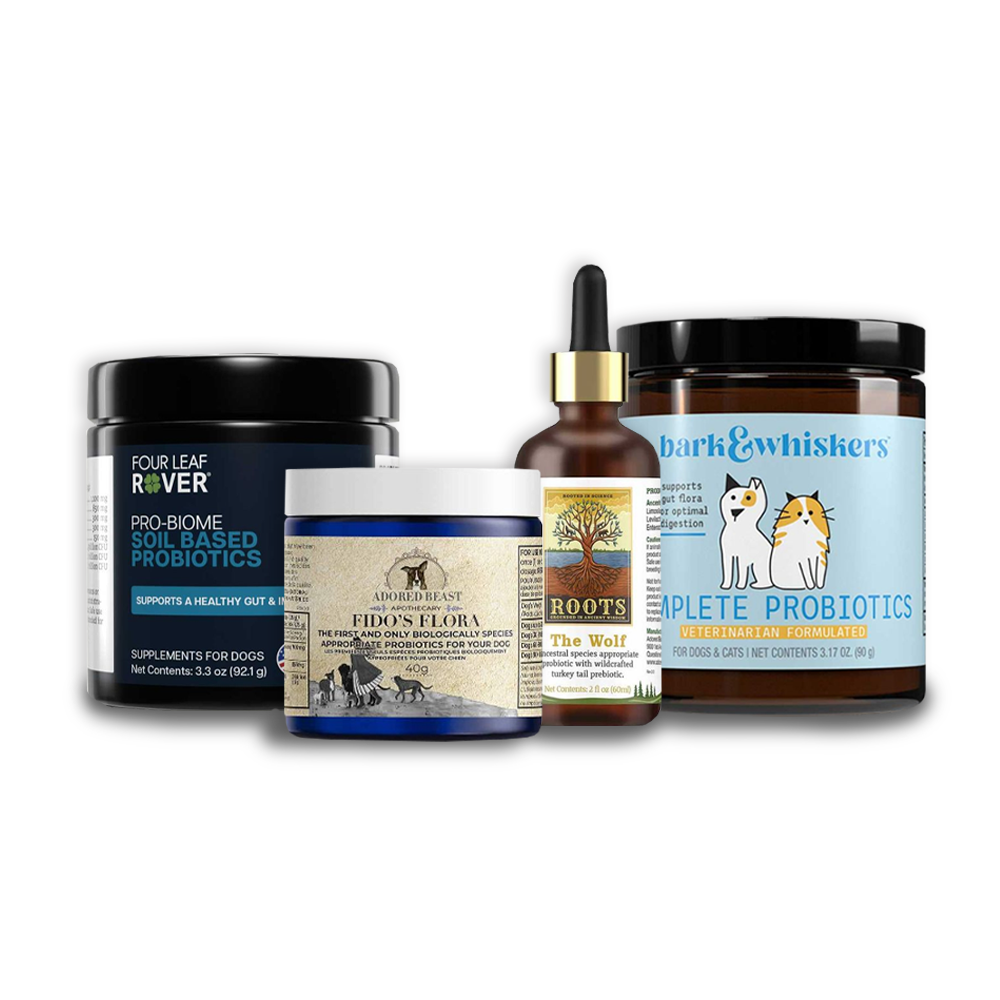
Probiotics can help support a healthy and diverse gut microbiome in older dogs, which is important for digestion, immune function and overall wellbeing. Soil-based probiotics are often favoured because they form protective spores that help them withstand stomach acid and reach the intestines intact, where they can exert their beneficial effects.
Prebiotics are a type of beneficial fibre that nourish the friendly bacteria living in your dog's gut. As these fibres are fermented in the large intestine, they produce compounds known as short-chain fatty acids (SCFAs), which help support digestive health, maintain a healthy gut environment and promote overall wellbeing. By feeding beneficial bacteria, prebiotics help encourage a balanced microbiome and can enhance the effectiveness of probiotics. Prebiotics such as Inulin, larch arabinogalactans or FOS (fructo-oligosaccharides) can be found by themselves - look at PetBiome Prebiotic as well as being included in probiotic or other supplements. Many natural foods also contain prebiotic fibres, providing an easy way to support gut health while delivering additional nutritional benefits for senior dogs.
Natural sources of prebiotics include fibre-rich vegetables such as asparagus, broccoli, kale, carrots and Jerusalem artichoke, along with apples, berries, bananas, oats, kelp seaweed and green tripe. Mushrooms act as excellent natural prebiotics, providing indigestible fibers like beta-glucans and polysaccharides that feed beneficial gut bacteria - these include Turkey Tail, Reishi, Chaga, Lion’s Mane and Maitake all supporting immune health.
To view our full range of supplements to support gut health view HERE
Digestive Enzymes
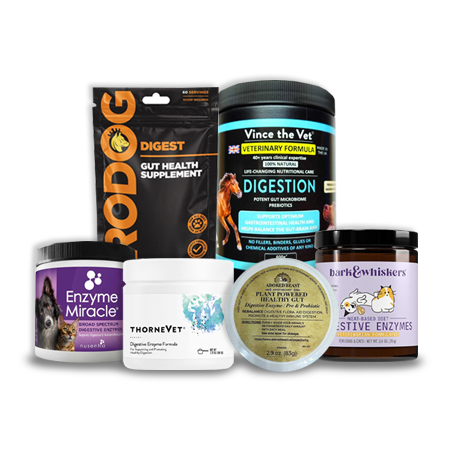
Digestive enzymes help break down food, allowing your dog to absorb and utilise nutrients more effectively. As dogs age, natural enzyme production can decline, which may affect digestion and overall wellbeing. This can be particularly relevant for dogs fed cooked diets, as heat destroys naturally occurring enzymes in food. Signs that your dog may benefit from digestive enzyme support include bloating, excessive wind, tummy rumbling, bad breath, acid reflux, abnormal stools or undigested food in the stool. Supplementing with digestive enzymes may help support healthy digestion and improve nutrient absorption in senior dogs. Certain foods naturally contain digestive enzymes such as fermented vegetables, bananas and honey.
Here is a list of common digestive enzymes found in pet supplements and how they work in the body
- Protease – helps break down proteins into amino acids, which are essential for tissue repair, muscle maintenance and overall health.
- Amylase – aids the digestion of carbohydrates and starches, converting them into simple sugars that can be used for energy.
- Lipase – helps digest fats, allowing the body to absorb and utilise important fatty acids.
- Cellulase – supports the breakdown of plant fibres found in fruits, vegetables and grains, helping to release valuable nutrients that would otherwise be difficult for dogs and cats to access
- Bromelain - from pineapple, breaks down protein
- Papain - Papain is a powerful proteolytic enzyme extracted from the milky latex of raw, unripe papaya fruits (Carica papaya). Known as a protease, its primary function is to break down complex dietary proteins such as meat into smaller peptides and amino acids.
- Betaine HCL - is a supplement used to increase stomach acidity. While technically not a digestive enzyme itself, it restores the acidic environment required for natural enzymes (like pepsin) to break down proteins.
- Ox Bile - helps to break down fat
Predictable mealtimes, regular walks, a calm home environment and minimising unnecessary stress all help support healthy digestion and emotional wellbeing in senior dogs.
View our full range of digestive enzymes

Maintain Coat and Nail Health
As dogs age, grooming can become more challenging. Reduced flexibility, arthritis and decreased mobility may make it harder for them to keep their coat clean and well-maintained, particularly in hard-to-reach areas. Regular brushing can help remove loose hair, prevent mats from forming and give you the opportunity to check for any lumps, bumps or skin changes. Nail care is equally important. Older dogs are often less active, meaning their nails may not wear down naturally as they once did. Overgrown nails can cause discomfort, affect balance and posture, and in severe cases may even grow into the paw pad. Regular nail trims can help keep your senior dog comfortable and support their mobility.
Supplements to look at to help support coat condition include:- Omega Rich oils, or a specific supplements such as ProDog Shine, Dorwest Keepers Mix, Proflax Skin & Coat or Borvo Skin & Coat+,
View our full range of supplements to support your dog's skin & coat

Dental Health
Dental health can be overlooked in senior dogs, but it plays an important role in their overall wellbeing. Because dental disease develops gradually and dogs are very good at hiding discomfort, many older dogs live with oral pain without obvious signs. Persistent bad breath should never be dismissed as simply a normal part of ageing, as it is often one of the first indicators of plaque build-up and gum disease.
Left untreated, bacteria from the mouth can enter the bloodstream and contribute to inflammation elsewhere in the body, potentially affecting organs such as the heart, liver and kidneys. You may also notice your dog eating more slowly, avoiding hard foods, or becoming less interested in toys or play.
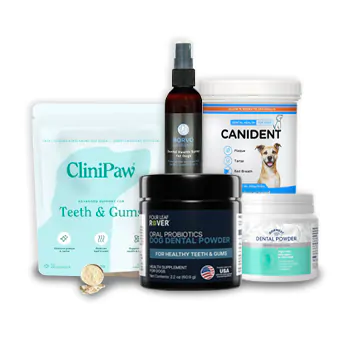
A gentle, preventative approach is often best for senior dogs. Regular dental care, natural dental chews, ultrasonic teeth cleaning where appropriate, and seaweed-based dental supplements can all help reduce plaque, support fresher breath and maintain healthy teeth and gums. By recognising the early signs of dental disease and providing consistent oral care, you can help your senior dog stay comfortable, healthy and enjoy a better quality of life.
We sell a large range of products to help support dental hygiene incuding supplements to add to food, dental sprays, toothpastes / powders and Toothbrushes. Also remember that chewing also supports dental hygiene - we sell an extensive range of dental chews. For further information read our blog: Your Guide To Dog Dental Care.
Brain Support
As dogs age, they can develop Canine Cognitive Dysfunction (CCD), sometimes referred to as doggy dementia. Early signs include:-
- Confusion and Disorientation – appearing confused in familiar surroundings, staring at walls, getting stuck behind furniture or seeming unsure where to go.
- Disrupted Sleep - sleeping more during the day but becoming restless at night, including pacing, waking frequently or vocalising.
- Changes in behaviour - becoming less interested in play or more withdrawn or conversely becoming unusually clingy or anxious.
- Toileting Accidents - forgetting previously established toilet habits or no longer signalling when they need to go outside.
- Changes in activity and anxiety – repetitive behaviours such as pacing, difficulty remembering familiar routines or commands, reduced interest in walks or play, increased anxiety, especially when routines have to be varied or the dog is left alone.
These changes shouldn't automatically be attributed to dementia, as pain, impaired sight or hearing, a dog with arthritis may be reluctant to interact, urinary problems and other health conditions can cause similar symptoms. Any noticeable change in an older dog's behaviour is therefore worth discussing with your vet.
Recognising cognitive changes early can help owners make adjustments to their dog's routine, environment and nutritional support, helping to maintain quality of life as they age.
There are many ways to help an affected dog remain comfortable, confident and engaged. Maintaining a familiar and predictable routine can be particularly helpful, with consistent feeding, walking and bedtime schedules. Avoiding unnecessary changes to furniture can reduce confusion, while nightlights may help dogs who become disorientated after dark. Practical changes such as non-slip flooring, easily accessible orthopaedic beds and stair gates can also make the home safer, particularly for dogs experiencing both cognitive decline and reduced mobility.
Gentle mental and physical activity remains important too. Food puzzles, snuffle mats, scent games, short training sessions and relaxed exploration walks can provide stimulation without overwhelming an older dog. Many senior dogs can still enjoy learning simple new tasks, provided activities are positive and adapted to their individual abilities. Regular, appropriate exercise also supports both physical and mental wellbeing, although the duration and intensity may need to change as mobility declines.
Nutrition & Supplementation
While veterinary advice is important as well as environmental support, nutrition and supplements can also play a valuable role in supporting brain health. Antioxidant-rich foods and antioxidant supplements such as berries and colourful vegetables help protect brain cells from oxidative stress, while omega-3 fatty acids (particularly DHA and EPA), MCTs from coconut oil, Lion's Mane mushroom and other targeted nutrients may help support memory, learning and cognitive function. Boswellic acids are also being investigated for their neuroprotective properties and their role in healthy ageing.
Specialist supplements containing these ingredients can provide additional support for ageing dogs experiencing cognitive decline. These include Dorwest Braincopa specially formulated to support ageing brains with a blend of natural ingredients, including antioxidants, DHA and Bacopa. Together, these ingredients help maintain normal cognitive function, support mental sharpness and promote healthy brain ageing, helping senior dogs stay alert, engaged and enjoy a better quality of life
ThorneVet Canine Cognitive Support combines antioxidants, phospholipids, active B vitamins and brain-supporting botanicals to help maintain memory, focus, cognitive function and neurological health in senior dogs. Available in powder form and chew form.
Other ingredients to look out for include: Vitamin E, SAMe (S-adenosylmethione), Phosphatidylserine and MCT (medium-chain triglycerides).
View our full range of supplements to support cognitive health

Bladder Health
As dogs grow older, their bodies naturally undergo changes, and some systems may not function as efficiently as they once did. The urinary system is one area that can be affected by age, making incontinence a relatively common issue in senior dogs, especially spayed females. While urinary leaks and accidents can be frustrating, it's important to remember that your dog has no control over them. The good news is that there are ways to support your dog and help them stay comfortable and maintain a good quality of life. There are several possible causes of incontinence in senior dogs, such as hormonal changes, urinary tract infections, bladder dysfunction and neurological conditions, so it's important to identify the underlying reason before deciding on the best approach, which is why it's always worth investigating any new or sudden changes in your dog's bladder control or if they drink significantly by seeking veterinary advice. Although urinary incontinence is more common in senior dogs, it should never be dismissed as an inevitable part of ageing. Many cases can be managed successfully once the underlying cause has been identified.
Supporting a Senior Dog with Incontinence
If your dog's incontinence isn't linked to an underlying medical condition, there are several ways to help them stay comfortable and maintain a good quality of life. Most importantly, remember that accidents are not your dog's fault. Scolding or punishing them will only cause stress and confusion, which may make the problem worse. Patience and understanding are key. So, to help manage incontinence:
- Give your dog more frequent opportunities for toilet breaks throughout the day, proviing easy access outdoors
- Take your dog outside after eating, drinking, and waking up
- Ensure bedding is clean and dry to help improve comfort while you investigate the cause
- Use waterproof bedding or furniture covers. We sell a great range of waterproof fleece blankets from Pup & Kit
- Consider dog nappies, especially overnight, and change them regularly.
- Keep the rear area clean and dry to help prevent irritation. We sell a great range of all-natural pet wipes
Supporting Bladder Health
Good hydration is essential for a healthy urinary system. Adding extra moisture to your dog's meals can help, particularly if they eat kibble or dehydrated food. Soaking food in water or a high-quality bone broth is a simple way to increase fluid intake. Certain herbs and nutrients may also support urinary tract health, including cranberry, slippery elm, marshmallow root and N-acetylglucosamine (NAG), which may help maintain a healthy bladder lining.
Finally, ensure your dog receives high-quality protein and amino acids to help maintain muscle mass, support tissue repair and promote overall wellbeing as they age.
Canine cognitive dysfunction (often referred to as dog dementia) is a common age-related condition in senior dogs. Signs can include confusion, increased anxiety, disorientation, and restless wandering, particularly at night. One of the earliest indicators may be a loss of previously learned behaviours, such as house training, which can result in unexpected accidents around the home.
View supplements supporting bladder health

Hydration is More Important in Older Age
As dogs age, they can become more prone to dehydration because their thirst response naturally declines. Even if your senior dog isn't as active as they once were, staying well hydrated remains essential for normal cell function, energy production, circulation and overall health. Encouraging water intake through moisture-rich foods, providing fresh filtered water or bone broth can help support hydration, particularly if your dog doesn't drink enough on their own.
Bone Broth for Senior Dogs - Bone broth can be a valuable addition to a senior dog's diet and to encourage hydration. As well as helping increase fluid intake, it provides protein and naturally occurring collagen, which may help support healthy muscles, joints and connective tissues. Older dogs become less efficient at maintaining muscle mass, making adequate, high-quality protein even more important. While bone broth isn't a cure for arthritis or age-related conditions, it can form part of a balanced approach to supporting mobility and overall wellbeing, as well as supporting digestion and nutrient absorption.
We sell a range of bone broths including Karnlea who produce fresh bone broth as well as Boil & Broth whose range is dehydrated.
Appetite and what can be done to manage these changes?
All senior dogs are unique, but typically as they age their appetite actually increases, so care needs to be taken to ensure too much food isn’t consumed. Coupled with this, older dogs generally become less active as well as having slower metabolisms which means that older dogs can easily gain weight. This can ultimately lead to heath issues and unnecessary strain on their joints. So, food intake should be adjusted in line with activity levels; as well as regularly monitoring your dog’s weight in line with energy needs and using the Body Condition Score to ensure your dog’s shape and feel is still ideal.
An aging dog also requires more digestible nutrients to ensure that their immune system continues to be supported. Raw food is ideal as it is easier to digest and puts less strain is put on the digestive system and associated organs. Pet food companies have created a market for senior dog foods, thanks to clever marketing.
For those feeding commercial dog foods, for this lifestage, the lower calorie foods for the senior dog can allow grazing, or alternatively being fed, smaller more frequent meals throughout the day to ensure weight isn’t put on.
Older dog’s may also become fussier eaters. So, appetite can be stimulated as follows:
-
Make sure the food being served is at room temperature as many older dog’s don’t like cold food. Or warm slightly. Warming may also help as it can bring out the scent molecules.
-
Moisen the food with warm water, or improve palatability by adding a bone broth. This can either be homemade or you can buy very good quality bone broths which are ready made or have been dehydrated, so simply add water. We sell a great range of bone broths as well as other products that can be added to food to increase it palatability. For the full range view HERE
-
Ensure you have a range of menu options to give variety, so you aren’t just feeding a single protein source, day after day.
- You may wish to add in digestive enzymes to your senior dog’s food as less digestive enzymes are naturally with age. This will help them assimilate as many nutrients as possible.
For additional information here, please read our blog How to Help A Fussy Eater
If your dog sudddenly looses their appetitite or refuses food, then this may be worth paying attention to as a sudden or progressive appetite changes could be an indication of discomfort. If your senior dog becomes reluctant at mealtimes, eats less, or seems uncomfortable chewing or lowering their head to the bowl, it could be a sign of pain or an underlying health problem that should be investigated.
Keep Them Moving
Regular exercise remains important for senior dogs, even if they can no longer do as much as they once did. Gentle daily activity helps maintain muscle strength, joint mobility and overall wellbeing. The key is to adapt exercise to your dog's age, fitness level and any health conditions they may have.
A consistent daily routine can also benefit both the gut and the brain.
Pay close attention to how your dog responds during and after activity. Many dogs will keep going despite discomfort, so signs of stiffness or soreness afterwards may indicate that exercise needs adjusting. Shorter, more frequent walks are often better than one long outing. We also sell a number of topical products to support joint stiffness such as Hilton Herbs Muscle Magic, Hilton Herbs Leg Aid, Diet-Dog First Aid Gel, or Basic Elements Joint Rub
Mental stimulation is just as valuable as physical exercise. Scent work, puzzle toys and exploring new environments can help keep ageing minds engaged. Even a gentle walk somewhere new, with plenty of opportunities to sniff and investigate, can provide valuable enrichment and enjoyment for senior dogs. For further information read our blog How to Improve Your Dog's Well-Being: The Importance of Enrichment

Other Things to consider
Antioxidants
As dogs age, they become more vulnerable to oxidative stress, a process that occurs when harmful free radicals build up faster than the body can neutralise them. Over time, this can contribute to cellular damage, cognitive decline and age-related health problems. Antioxidants help protect the body by neutralising free radicals and reducing their impact on cells, tissues and organs. This makes them an important part of supporting healthy ageing in senior dogs.
Berries are among the best natural sources of antioxidants. Blueberries are particularly beneficial because they contain anthocyanins, powerful plant compounds that may help support brain health and cognitive function. As an added bonus, berries also provide prebiotic fibre to support a healthy gut microbiome.
How to Increase Your Dog's Antioxidant Intake
One of the easiest ways to boost your senior dog's antioxidant intake is by feeding a variety of colourful fruits and vegetables. Good choices include: Blueberries and other berries, Apples, Broccoli, Spinach, Kale. Many medicinal mushrooms are also rich in antioxidants and can provide additional support for immune health and healthy ageing.
Omega-3 Rich Oils
Inflammation plays an important role in the body's natural healing process, helping to repair injuries and fight infection. However, when inflammation becomes long-term or persistent, it can place stress on the body and contribute to age-related health problems such as artritis and joint problems. One of the best ways to support a healthy inflammatory response is by ensuring your dog receives enough omega-3 fatty acids. These essential fats help maintain healthy cell membranes, support joint mobility, promote cognitive function and contribute to a healthy immune system. Unfortunately, many dogs do not receive sufficient omega-3s through their diet alone.
View our full range of Omega-Rich Oils
While fish oil is often recommended as a source of omega-3 fatty acids, there are other options available. Green-lipped mussels (GLM) provide a rich and sustainable source of beneficial fatty acids, including EPA and DHA, as well as ETA, a unique omega-3 fatty acid not commonly found in fish oils. ETA is particularly valued for its ability to support joint health and mobility, making green-lipped mussels a popular supplement for senior dogs and those with arthritis. Green-lipped mussel supplements are available in both powder and liquid form. When choosing a powdered product, look for one that retains its natural oils, as these contain many of the beneficial fatty acids that support your dog's health.
Algae Oil is another option - a sustainable, plant-based source of the essential omega-3 fatty acids EPA and DHA, providing many of the same benefits as fish oil without contributing to overfishing. Because it is grown from microalgae, it is naturally free from ocean-borne contaminants such as heavy metals and supports healthy brain function, joints, heart, eyes, skin, coat and the immune system. Look at Adored Beast Potent Sea and Korure Pets Algae Oil.

Other things to consider
Growing older doesn't mean slowing life to a stop, it means adapting to your dog's changing needs. Simple changes such as providing non-slip flooring, supportive bedding, mental enrichment, gentle exercise and targeted nutritional support can all help maintain comfort and quality of life. Every dog ages differently, so tailoring their care to their individual needs can help them stay happy, active and engaged for longer.
The goal isn't simply to help your dog live longer, it's to help them live well. By adapting their diet, environment and daily routine as they age, you can support their comfort, mobility and quality of life throughout their senior years.
Not all dogs age at the same rate, but growing older is a natural part of life for every dog. Caring for a senior dog comes with its own unique rewards and challenges. By understanding the changes that occur with age and making a few simple adjustments to their diet, lifestyle and daily routine, you can help your dog stay comfortable, healthy and happy throughout their golden years.


