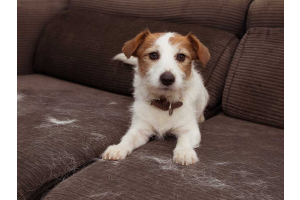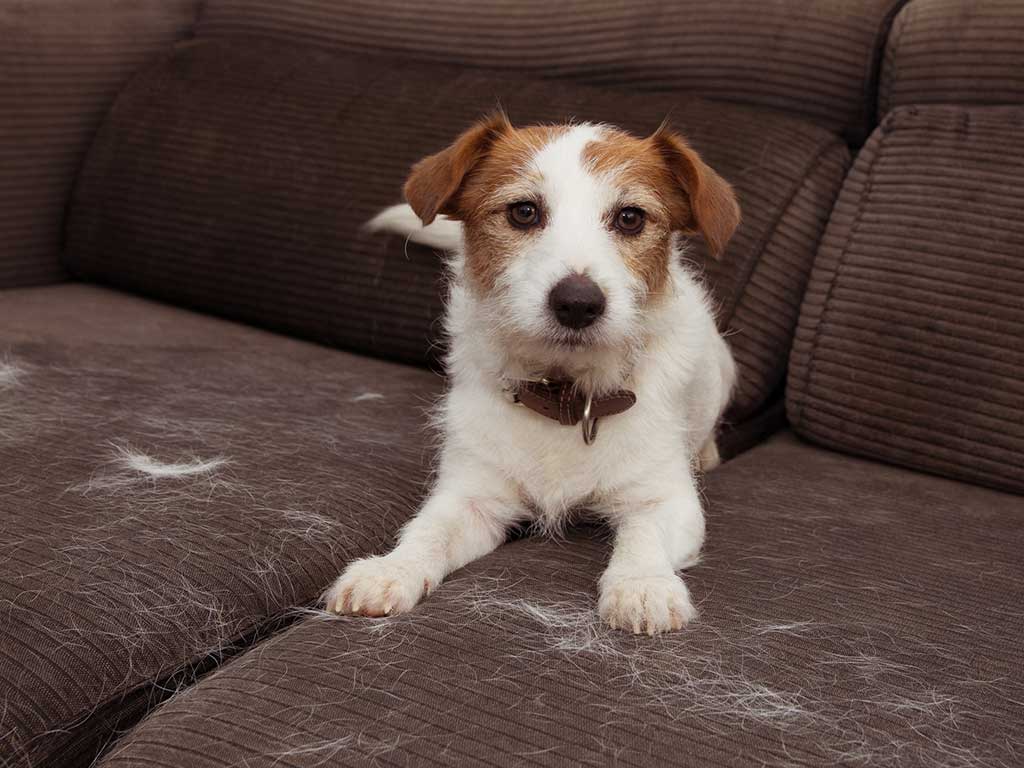
Many dog owners know all too well the problem of more fur around the house such as on the floors, on the sofa, in the car and on your clothes. If you have it sounds like your dog is starting to shed.
This blog looks beyond regular brushing to understand more about why your dog moults and what steps you can take to reduce excessive shedding including tips on diet, grooming and tailored supplementation during peak shedding.
What is Shedding or Moulting and when does it take place?
Dog shedding, also known as moulting is a normal and healthy process, as dogs renew their coats. It is largely influenced by seasonal changes such as daylight and temperature and it describes the hair growth cycle, whereby older, dead fur falls out to allow new coat growth. What is important to understand is that you cannot stop shedding, it is a completely natural process. However, what you may be able to do, is to reduce excessive shedding or the shedding period itself and ensure that your dog's overall coat condition is good.
How much a dog moults and when can reveal a lot about their coat type, daily environment, overall health and stress levels. Peak shedding typically takes place as the seasons change in Spring and Autumn, as your pets shed their winter / summer coats. In Spring this is typically March to May and in Autumn September to November. Each shedding period can last anywhere from a few weeks to a couple of months, depending on your dog’s breed and coat type.
In Spring as temperature rises and daylight increases your dog’s body naturally starts to release their thicker winter coat in preparation for the warmer weather. With this increased day length, a dog's internal clock responds by adjusting hormone levels, which in turn, signals the hair follicles to begin a new growth phase, pushing out the old coat so your dog is better suited to the coming season. Spring is often the heaviest moult of the year, especially in double-coated breeds. In Autumn, the process reverses, with the lighter summer coat making way for a thicker, insulating winter layer.
Double-coated breeds, for example, shed the most to manage their body temperature as they transition from their thick, insulating winter undercoat to a much lighter summer coat ensuring they stay cool in summer and in the Autumn a similar process takes place as this lighter coat is shed to make way for their winter coat. The shedding process for a double-coated dog can also last much longer.
Indoor dogs often shed more evenly all year around as artificial lighting and heating can disrupt natural shedding cycles, leading to a steady, lighter moult instead of clear seasonal peaks.
Outside of typical shedding cycles, a dog’s health and hormones can also play a major role in how much hair they lose. For example, female dogs often shed more after giving birth or during periods of hormonal fluctuation. Conditions like hypothyroidism can lead to a dry, thinning coat and increased shedding while other illnesses or nutritional deficiencies that impact the skin and hair follicles may also contribute to excessive hair loss. For instance, dogs dealing with ongoing nutritional shortages or hormonal issues may develop fragile coats that shed more easily. Stress can also be a factor, as dogs that feel anxious or fearful sometimes lose more hair due to adrenaline surges. Addition, a dogs age can also affect their coat condition. With an older dog its coat can become thinner with less shine, so feeding a high protein, good quality diet in their senior years is important.
What changes will you notice with your dogs coat?
So depending on the weather this process can seem sudden. You may also notice more loose hair and potentially dry, irritated skin.
During seasonal coat change you might see the following changes, which is completely natural:
- More loose hair / increased daily hair loss. Abnormal shedding cycles.
- Dull, brittle or thinning coat during this transition
- Patchy fur with clumps of undercoat coming away when brushing
- Dry, irritated skin, flaky, dandruff
- Slow hair re-growth
Do certain breads shred more than others?
Double-coated breeds have two layers of fur - a soft, insulating undercoat and a tougher outer coat (guard hairs). These dogs shed the most, especially during seasonal changes when the undercoat “blows out” to prepare for warmer or colder weather.
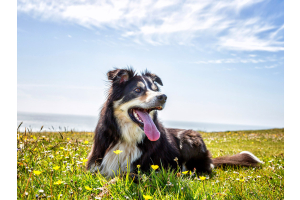
Common heavy shedders include German Shepherds, Golden Retrievers, Siberian Huskies, Labrador Retrievers, Border Collies, and Huskies. These breeds can shed their thick winter undercoat in large tufts, and so regular brushing is essential; not just for tidiness, but to remove loose undercoat, prevent matting, and keep the coat healthy.
Single-coated breeds have just one layer of fur and shed much less, though they still require grooming. Examples include Poodles, Shih Tzus, Maltese, and Yorkshire Terriers; often labelled “non-shedding,” but in reality just low shedders.
Short-coated breeds can shed more than expected because loose hairs aren’t trapped in a longer coat. Breeds like Beagles, Boxers, Dalmatians, and Staffordshire Bull Terriers tend to shed steadily year-round.
Wire-coated breeds shed very little but need specific grooming, such as hand-stripping, to maintain coat health. Examples include Border Terriers, Wire Fox Terriers, and Airedale Terriers.
In summary: shedding varies by coat type - double coated breeds shed the most, single coats shed least, short coats can shed more than expected, and wire coats require specialised care despite low shedding.
What can help?
The Role of Diet in Dog Moulting
A dog’s diet plays a central role in coat health, as the skin and coat require sufficient, high-quality protein to ensure a dog has a healthy coat. A glossy coat signals that your dog's diet is supplying all the necessary nutrients it needs.
A dog's coat is made from keratin, a structural, fibrous protein, which depends on high-quality protein and amino acids. Essential fatty acids (omega-3 and omega-6) help maintain healthy skin and natural oils, while nutrients like zinc and biotin support skin renewal and keratin production. Diets that are highly processed can be lacking in these key nutrients, especially omega-3s, which are easily lost during manufacturing, leading to dull coats and excessive shedding.
So poor coat condition could be a signal that your dog is not getting enough good quality protein to ensure strong and healthy hair follicles.
A healthy dog will still shed, but it’s easier to manage, with a lustrous coat and normal regrowth. Good nutrition makes a real difference and plays a key role in helping to control shedding. Feeding a balanced, minimally processed diet rich in quality protein and healthy fats can support a healthy coat all year round from the inside out, with normal moulting.
A dull, dry, flaky or brittle coat isnt always a result of a poor diet and can signal other underlying issues like allergies, or illness, all of which may increase shedding. That said, looking at the diet is always a good place to start. Diet changes won't work overnight, but usually show visible improvements in the coat within 8–12 weeks.
Adequate Hydration
Proper hydration plays an important role in coat health as well. Dogs that get enough fluids, through both fresh water and moisture-rich foods tend to have more supple skin and stronger hair follicles. On the other hand, dehydration can lead to a dry, brittle coat that sheds more easily.
Grooming
Regular grooming during shedding season won’t stop your dog moulting, but it makes the process far more manageable and helps maintain a healthy coat.
Regular brushing helps remove loose undercoat fur before it ends up around your home, prevents tangles and matting, and encourages healthy skin and hair growth by boosting circulation. For double-coated breeds, especially during heavy spring moults, tools like undercoat rakes or de-shedding brushes are much more effective than standard brushes. Brushing helps spread a dog’s natural skin oils through the coat to give a healthier and shiny coat.
General grooming guidelines and equipment:
-
Double-coated breeds: ideally brush daily using an undercoat rake or slicker brush. Biogance make a lovely Slicker Brush with a wooden handle. Ancol make a great Undercoat Rake
-
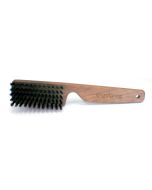
Short-coated breeds: brush 2–3 times per week with a rubber mitt or bristle brush. Biogance make a beautiful Wooden Handle Bristle Brush with boar bristles
-
Wire-coated breeds: hand-strip when needed, with regular brushing in between
-
Single-coated breeds: brush 2–3 times per week or use a coat dryer to remove loose hair and prevent matting
Ancol Ergo Shedding Blade for Dogs – A grooming tool equipped with dual-size teeth that efficiently removes loose and dead hairs before they end up on the carpet and a Dog Moulting Comb.
During peak seasonal changes, a professional grooming session can help manage it effectively, with de-shedding treatments, such as blow-outs and undercoat removal that can quickly remove large amounts of loose, dead fur. This speeds up the natural shedding process and helps keep excess hair off your furniture and floors!
Bathing
Bathing can also help loosen dead fur during periods of heavy shedding, but should be done in moderation, typically every 4–6 weeks, to avoid stripping natural oils from the skin.
Make sure you use a good quality, pet specific, moisturising shampoo, as certain shampoos, especially human shampoos can strip the coat of its natural oils. At Healthful Pets we sell a large range of high quality, all-natural dog shampoos, which you can view HERE. Oatmeal shampoos or aloe-vera shampoos can be particually moisturising. 4-Legger from the US make dog shampoos with organic ingredients and have an aloe-vera base. The full range can be found HERE.
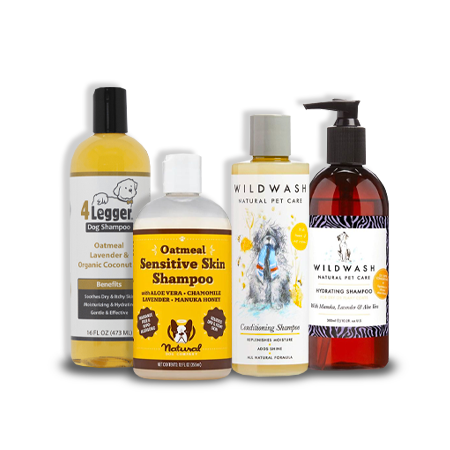
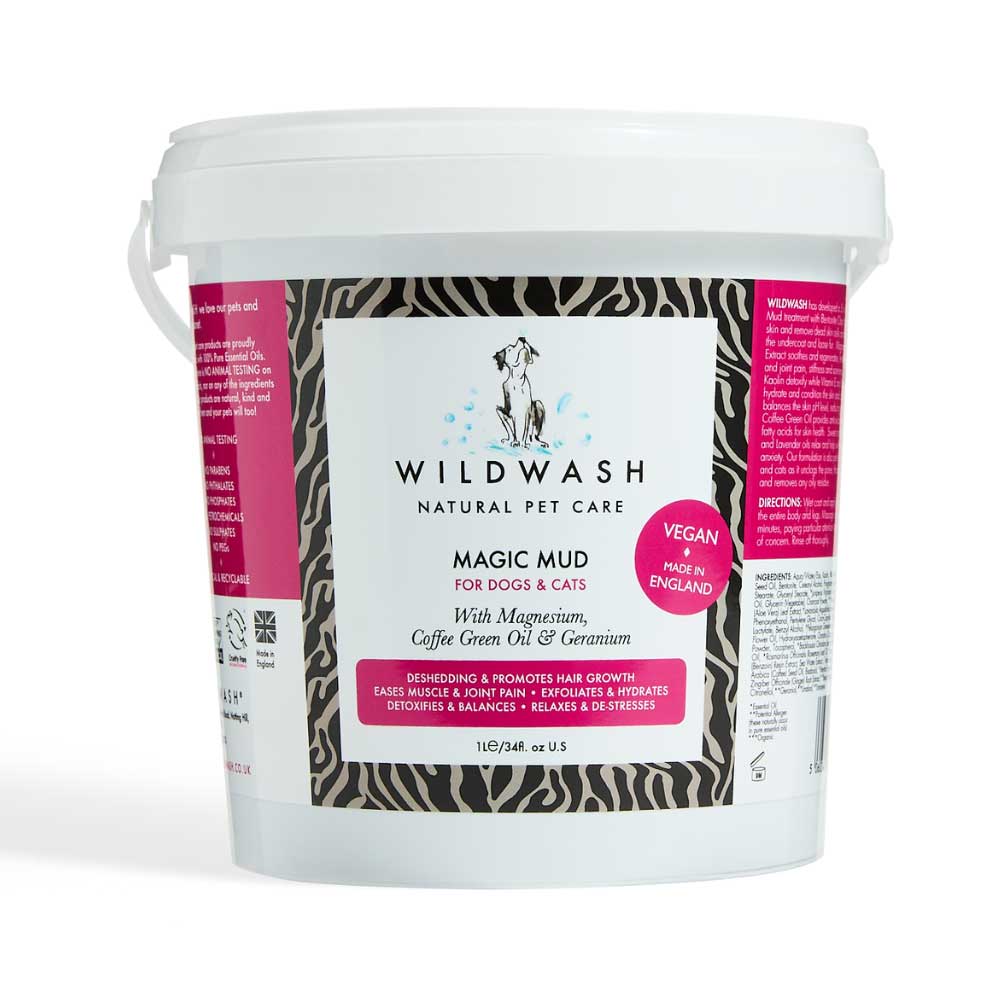
Wildwash have bought out a deeply nourishing mud treatment called Magic Mud that de-sheds, exfoliates, detoxifies & hydrates the skin. Containing magnesium, bentonite clay & aloe vera. View HERE
Topical Sprays
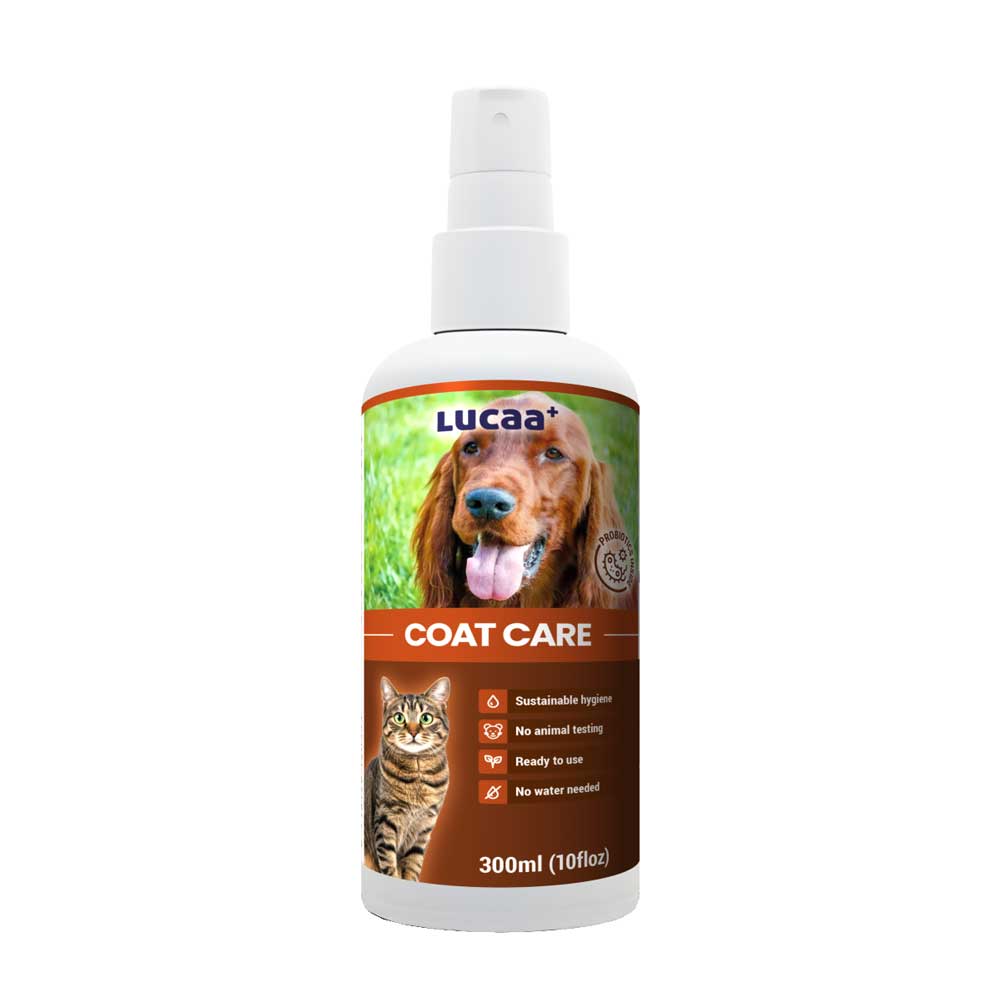
Consider LUCAA+ Probiotic Pet Coat Care spray which nourishes skin and fur during moulting, promoting healthy regrowth, shine & overall coat condition.
Stress Management
Stress and anxiety can cause dogs to shed more, often during events like vet visits, loud noises, or being left alone. This is due to the body’s “fight or flight” response releasing loose fur. To reduce stress-related shedding, keep your dog’s routine calm and consistent, provide a safe resting space, and ensure plenty of exercise and mental stimulation. Calming aids or calming supplements may help during stressful situations, and for severe anxiety, guidance from a vet or behaviourist is recommended.
Supplements to Support Dog Coat Health
Even with a well-balanced diet, some dogs may benefit from additional support during moulting season, especially those dogs that are heavy shedders, older dogs, or those with coats that aren’t in optimal condition. Supporting skin and coat health with omega-rich supplements or natural topical solutions can reduce shedding, nourish the skin, and maintain a glossy coat all year long.
Nutrients to support coat condition include:-
- Omega Rich oils (EPA & DHA from fish oil and algae oil, a vegetarian source of DHA) - A diet rich in essential fatty acids supports healthy skin and coat quality, helping new growth come through strong and glossy. A diet rich in essential fatty acids provides moisture to the skin from within, hydrating the skin's lipid barrier so less dryness and flaking, calm irritation, maintaining the itegrity of cell membranes thereby supporting healthy skin & barrier health and coat quality, helping new growth come through strong and glossy. View our range of high quality, Omega Rich oils for pets. These are availble in many formats include capsules, liquids, toppers and whole fish treats of salmon, sardines and mackerel.
- Omega-6's (linoleic acid /GLA) - from plant oils help manage shedding by supporting the skin’s moisture barrier, reducing dryness, and increasing skin and coat growth and reducing excessive shedding. They nourish the skin to prevent brittle fur and excess hair loss. They also strengthen the skin against irritation and help hair stay anchored in the follicles. It is invaluable to give during the moult, is ideal for breeds with long coats or other conditions causing hair loss. Evening Primrose oil is well-known for its ability to stabilise hormonal imbalances which can affect coat quality.For best results, Omega-6 should be balanced with Omega-3 to support overall coat health and minimise shedding. Foods high in omega-6 include poultry, flaxseed and egg yolks. Dorwest's Evening Primrose Oil is high in Omega-6 provides omega-6 (GLA) to support healthy skin, improve coat condition and shine, aid moulting, and help balance hormones affecting coat quality. Dorwest sell this products in two formats - capsules and liquid.
Dorwest Omega Star is potent mix of both Omega 3 and 6 oils designed to support healthy skin and coat. It contains flaxseed, blackcurrant, and borage seed oils, which provide essential Omega 3 and 6 fatty acids to improve coat quality, soothe sensitive skin, and promote coat growth. Added vitamin E offers antioxidant protection. Together, these ingredients help moisturise, nourish, and restore shine while supporting overall skin health.
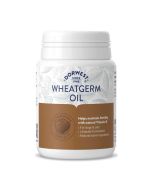
- Vitamin E: A potent antioxidant that promotes healthy skin and helps protect cell membranes. Wheatgerm contains natural Vitamin E. Dorwest sell two Wheatgerm products - Wheatgerm Oil and Wheatgerm Capsules.
- Astaxanthin: from microalgae, is one of natures strongest antioxidants, helping to protect cells from free-radical damage. Astaxanthin may help reduce excessive shedding and improve a dog’s coat by lowering oxidative stress and supporting overall skin health. It can be especially beneficial for relieving dry skin, easing inflammation that causes itching, and enhancing coat shine and vibrancy.
- B Vitamins - play a key role in controlling excessive shedding in dogs by supporting skin health and strengthening the coat. Essential B vitamins such as Biotin (B7), which is discussed in more detail below, Riboflavin (B2), and Niacin (B3) help repair skin cells, regulate oil (sebum) production, and reduce inflammation, creating the ideal conditions for a healthy, resilient coat. Additionally, Pantothenic Acid (B5) helps regulate hormones, which may reduce shedding linked to stress or imbalance. Look for a supplement containing B Vitamins.
- Biotin: Biotin is a water-soluble vitamin, also known as B7 and is essential for metabolising amino acids. Biotin plays a key role in producing keratin the protein that supports healthy skin and nails, preventing dry brittle fur and strengthing hair follicles. Biotin therefore helps to strengthen your dog’s coat and reducing breakage and excessive shedding. Common sources of biotin include egg yolks, sliver, salmon and sweet potatoes. It can also be found in Brewers Yeast. Diet-Dog Itchy Skin Complex contains Brewers Yeast, marine algae (Omega-3) and zinc. Diet-Dog Superfoods also contains Brewers Yeast is ideal for dogs with dogs with dry and flaky skin. CliniPaw Joints & Skin contains Brewers Yeast along with other skin supportive ingredients.
- Zinc - is a key mineral that supports skin health, promotes cell renewal, and strengthens hair follicles. It helps produce keratin and collagen for a healthy, glossy coat and reduced shedding. Barkin Bistro Spleen is naturally rich in zinc.
- Seaweed & Micro-algae - Sea-based ingredients like kelp and microalgae (including spirulina and chlorella) are becoming popular natural options for improving a dog’s coat and reducing shedding. These marine plants are rich in essential minerals, vitamins, and antioxidants that support skin health, hair strength, and even thyroid function, an important factor in coat quality. Kelp, for example, provides key nutrients like iodine, zinc, and selenium, which help maintain healthy skin and support normal hormone function. Meanwhile, microalgae such as spirulina offer amino acids, B vitamins, and anti-inflammatory benefits that can improve coat shine and overall condition. Some studies and anecdotal reports suggest that dogs given these supplements develop softer, healthier coats and shed less over time. In simple terms, seaweed and algae act as natural nutrient boosters, helping to address common causes of excessive shedding. When used in moderation and sourced from high-quality, pet-safe products, they can be an effective and gentle way to support your dog’s coat health naturally. Seaweed for Dogs supplements are suitable for dogs and you can see their full range HERE
- Collagen - Collagen can also help shedding control, as it helps reinforce hair follicles, reducing breakage and limiting excessive shedding, it improves skin elasticity and hydration, helping to prevent dryness, flaking, and irritation that can lead to hair loss and improves coat quality, as increased collagen contributes to a shinier, softer, and stronger coat overall. We sell a range of collagen supplements as well as collagen-rich treats which can be found HERE
Here are some other product ideas:-
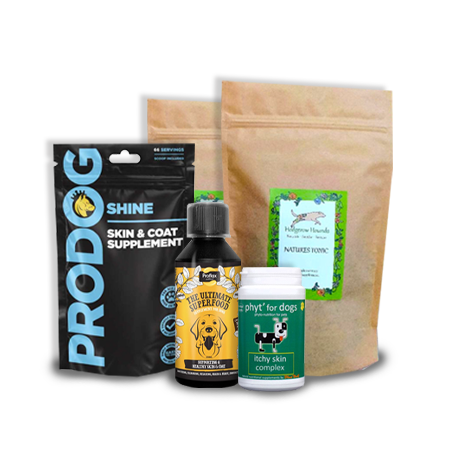
- Proflax Skin & Coat Superfood (Dogs) – A blend of 75% cold-pressed flax oil & herbal extracts to soothe sensitive skin, reduce shedding & enhance coat shine.
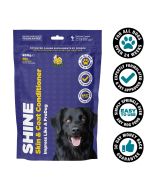
- ProDog Shine – Specifically formulated to support healthy skin and coat condition, collagen-rich, vet-approved formula to nourish your dog’s skin from within, promoting optimal coat condition & helping to avoid excessive shedding. Containing hemp protein, barley grass, fish collagen & oils and Brewers Yeast. A practical addition during peak shedding periods or for dogs whose coats need consistent support.
- Hedgerow Hounds Nature’s Skin Tonic (dogs) – A herbal mix with gentle detox / cleansing & natural anti-histamine properties to soothe itchy, reactive skin and promote a healthier skin & coat.
- Diet-Dog Itchy Skin Complex - ideal to improve overall skin and coat health and support the reduction of exessive shedding. It targets underlying causes like skin irritation, allergies, and inflammation, which often lead to hair loss, bald patches, and increased shedding. The fish peptides and biotin promote healthy hair growth, nettle, milk thistle and wild pansy help reduce inflammation and allergic reaction, whilst the zinc and minerals help to improve skin condition and increases skin hydration.
Moulting is normal, but not all hair loss is. If shedding seems unusual or is paired with other symptoms, it could point to an underlying issue.
You should speak to your vet if shedding is excessive and you notice signs such as patchy and / or symmetrical hair loss, redness, irritated or flaky skin, any unpleasant smell, excessive scratching, sudden or rapid coat loss, or changes in your dog’s behaviour or health (like weight, appetite, or energy levels). These can indicate an underlying problem that is worth investigating such as allergies, hypothyroidism, parasites, fungal infections or hormonal conditions.