Summer & The Warmer Months
- - March 20, 2026
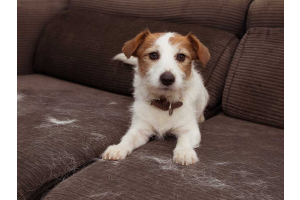
Many dog owners know all too well the problem of more fur around the house such as on the floors, on the sofa, in the car and on your clothes. If you have it sounds like your dog is starting to shed.
This blog looks beyond regular brushing to understand more about why your dog moults and what steps you can take to reduce excessive shedding including tips on diet, grooming and tailored supplementation during peak shedding.
What is Shedding or Moulting and when does it take place?
Dog shedding, also known as moulting is a normal and healthy process, as dogs renew their coats. It is largely influenced by seasonal changes such as daylight and temperature and it describes the hair growth cycle, whereby older, dead fur falls out to allow new coat growth. What is important to understand is that you cannot stop shedding, it is a completely natural process. However, what you may be able to do, is to reduce excessive shedding or the shedding period itself and ensure that your dog's overall
- - March 06, 2026
Have you considered Natural Flea Repellents for Dogs and Cats? Sourcing an effective and safe deterrent for your family pet is important for their overall comfort and for your peace-of-mind. Consider a natural and non-toxic option for cats and dogs...
What are fleas?
Fleas are small parasitic insects that survive by feeding on the blood of other animals. Fleas rely on blood for survival, and female fleas need it to produce eggs. They are typically brownish-black in colour, turning reddish-brown after feeding, and grow to around 2 mm in length. Once they find a host, they feed and reproduce quickly, often spreading into the surrounding environment such as carpets, furniture, and bedding. Despite their tiny size and the fact they can be hard to see, fleas are incredibly agile.
Fleas are highly productive and one female flea can lay up to 50 eggs a day, mostly in the environment; with a few laid on your pet which can fall off in your home. Their life cycle can be as long as several months
- - March 03, 2026
Some hints to help pets stay safe and well in Summertime
Following the miserable Winter we have had, it’s hard to remember that we do sometimes get hot summery weather in the UK, but we do and here are a few hints to help pets stay safe and well in Summertime.
- Check regularly for fleas and ticks on the skin, and look out for adders when walking in country areas.
- If you are leaving your pet at home for several hours, make sure there is a cool room or area available – leave a fan on if necessary, and also plenty of water.
- If you are leaving your pet outdoors for any length of time, ensure shade (and water) are available.
- Take a bottle of water and a drinking bowl with you if you are taking your dog out for long walks or on car journeys and offer water regularly.
- If you walk your dog regularly on pavements, check for sore pads in hot weather.
- Above all, don’t ever leave your dog in a car on a warm day, even if not in direct sunshine.
As the weather gets warmer there are several Diet’Dog
- - June 20, 2025
With the summer sun making an appearance and a heatwave on the cards, it’s important to take extra precautions to keep your dog cool, comfortable and safe in the warmer months.
Unlike us, dogs don’t sweat all over — they regulate their body temperature mainly through panting and through the pads of their feet. This makes them much more prone to overheating. Dogs with darker coats, short noses (like pugs and bulldogs), long or thick fur, and those who are very young, elderly, or have underlying health conditions are particularly vulnerable.
Dogs can succumb to heat stroke without shade, ventilation and water as well as after vigorous exercise or over excitement. Here are our top tips for helping your dog stay safe in the heat:
1. Never Leave Dogs in Cars or Confined Spaces
We all know it, but it bears repeating: never leave your dog in a car on a warm day — even with the windows cracked or parked in the shade. Cars can turn into ovens frighteningly fast, with temperatures soaring above
- - May 28, 2025
Whether your dog is your hiking buddy, an agility star, or just full of boundless energy, regular activity plays a big part in keeping them physically and mentally healthy. But just like us, dogs need proper recovery after intense exercise to help prevent injuries and keep them feeling their best.
Here are five natural and effective ways to support your dog’s recovery after a long walk, training session or weekend adventure.
1. Feed a Targeted Performance and Recovery Supplement
Summer adventures, sports training, and long hikes all increase your dog’s physical demands. A dedicated performance and recovery supplement can help sustain energy, build strength, and speed up post-exercise recovery.
Look for formulas that include amino acids, vitamins, joint support, and anti-inflammatory ingredients. These supplements are ideal for active and working dogs, supporting endurance, muscle repair, and resilience after a hard day’s work.
Some of our favourites include:
- - October 09, 2024
Hydration is vital in a wellness routine
While a wide variety of dog food brands and treats are available, hydration is a critical aspect of a dog's overall health that often doesn't receive enough emphasis. As you may know, water is the essence of life, and proper hydration is crucial for the overall well-being of our dogs.
Approximately 70% of a dog's body is made up of water, and it is essential for numerous bodily functions, such as digestion, circulation, temperature regulation, nutrient absorption, and waste elimination. What pet parents often overlook is the risk of dehydration and its impact. Dehydration in dogs isn't just about thirst—it can spiral into a myriad of troubles, from minor issues like a dull and dry coat, leading to undesirable shedding, to lethargy and more serious issues such as constipation, aggravating joint problems, urinary tract issues and in very severe cases, can result in organ failure. It is crucial to keep our pup hydrated to avoid these health hiccups.
- - September 01, 2024
What is the difference between the KG Pet Spray and Cedarcide Original Spray?
They are very different products, the Cedarcide Original Spray is an oil (Cedarcide & Silica oil) whereas the KG Pet Spray is a fruit enzymes spray, made from mostly pineapple, papaya, or kiwi fruits fermented for 6 months it is not a pesticide poison.The KG spray can be used to help eliminate Mange (all types), Fleas, Ticks, Mites and Itchy Skin Problems. It can also be used to eliminate odours. It can be used as an air freshener and is effective on smoke, cooking, waste and other undesirable odours. The enzymes in the KG Spray act and cause the insect to moult (shed its outer coating) prematurely. It dissolves the insect's skin and it dies. It will not harm mammals as they regrow skin cells daily, so making it very gentle and safe for owners.
The Cedarcide Original is ideal for pest control, which include moths, fleas, ticks, ants, and other insects. It dehydrates, disrupts pheromones, suffocates and
- - July 18, 2024
With summer here and holidays planned with their pets, all too often motion sickness can make, even a short trip, stressful for both your pet and you. Find out what you can do to help.
What are the typical signs of travel sickness?
Some typical signs of dog travel sickness include; restlessness, panting, whining, excessive drooling, yawning, vomiting and listlessness. Generally dogs will outgrow motion sickness but some dogs won’t and may need assistance to make their journey less distressing.
Dog Travel Sickness - How to Stay Calm when Travelling
For those dogs and cats who find it is the motion of the car which upsets their tummies even though they are not anxious, Dorwest - Digestive supplement is ideal if given two hours before travelling to settle and soothe the stomach. This supplement, for dogs and cats, contains ginger and valerian to calm the digestive tract, rhubarb and peppermint to aid digestion and soothing and comforting slippery elm. Pytopet Travel is another option as
- - June 18, 2024
Summer is prime time for walking trips and exploring the great outdoors. Since our dogs are members of the family, we’re always looking for ways we can include them too. But when it comes to walking trips with your pooch, there are some special considerations you have to bear in mind, it's not quite as simple as just 'pack up and leave.'Here are 8 backpacking essentials to ensure you and your dog have a fun and safe walking trip this summer.
Water
Be sure to pack plenty of water for both you and your dog. Hydration is the number one priority here. While exercising in the heat you’ll both be thirstier than normal, so you may need to pack more than you’d expect. Dogs need to drink up to 50% more in hotter climates and you certainly don’t want to run out when you are miles away from anywhere. Furr Boost grab & go cartons are perfect for all of your adventures where your dog is by your side on long walks or on very hot days. Alternatively Pawer Water are advanced hydration sachets
- - April 28, 2024
Dogs sunburn just like you and I. Certain dogs are at a greater predisposition to sunburn, including white dogs, light-colored dogs, short-haired and hairless dogs. Regardless of colour, coat or breed, all dogs sunburn.
Dog sunburn is especially common in areas with little to no fur, such as their nose, belly, around the mouth, eyelids and ears. Dogs can also sunburn through their fur; especially white or light-colored dogs with fair skin.
A dog sunburn is nothing to ignore, as reoccurring or untreated burns, may lead to an increased risk for skin cancer. They can also be painful and irritating, just like sunburns for humans.
Dog Sunburn Symptoms
Dogs show signs of sunburn similar to humans. You will likely notice your dog is sunburned on his/her ears, nose or belly before anywhere else. Some signs your dog got too much sun include:
-
Red skin that may also be sensitive to the touch
-
Dry, cracked skin
-
Curling at the edges of the ears
-
Your dog may be scratching and possibly whimpering (as
-