As the seasons transition it is a great time to take a look at what you are doing for your pet’s health.
Autumn Shedding – Preparing for a Winter Coat
Shedding, or moulting, is a completely natural process that allows your pet to replace old or damaged hair and maintain a healthy coat. Although some pets shed throughout the year, Spring and Autumn are typically the main shedding seasons, triggered largely by changes in daylight and temperature.
During Autumn, dogs begin to shed their lighter summer coat to make way for a thicker, more insulating winter coat. This can be particularly noticeable in double-coated breeds, where large amounts of the soft undercoat may be released over several weeks. Indoor pets may experience a less defined seasonal moult, as artificial lighting and central heating can influence their natural coat cycle.
You may notice more loose hair than usual, tufts of undercoat coming away during grooming and temporary changes in the appearance or texture of the coat. Regular grooming helps remove this loose hair and prevent matting, while good-quality protein, essential fatty acids and nutrients such as zinc and biotin help support healthy skin, hair growth and the development of the new coat.
While seasonal shedding is perfectly normal, excessive hair loss, bald patches, persistent itching, redness or significant changes in coat condition may warrant further investigation.
Supporting Your Pet During Autumn Shedding
While seasonal shedding is natural, there are plenty of ways to support healthy skin and the growth of a strong new coat. Regular brushing helps remove loose hair and undercoat, prevents matting and distributes the skin’s natural oils throughout the coat. Good nutrition is equally important, particularly a diet containing plenty of high-quality protein, as hair is predominantly made from the protein keratin.
Certain supplements can also provide additional support during a heavy moult. Omega-3 and Omega-6 fatty acids help nourish the skin and maintain its natural moisture barrier, while biotin, B vitamins and zinc support keratin production, skin renewal and healthy hair follicles. Antioxidants such as vitamin E and astaxanthin can provide further nutritional support for healthy skin and coat, while collagen may help support the structure and strength of the skin and hair.
Don’t forget hydration too; ensuring your pet has access to plenty of fresh water and including moisture-rich foods can help keep the skin hydrated and the coat in good condition.
For more tips, including the best foods, supplements and grooming techniques, read our complete guide to reducing dog shedding naturally.
For an indepth look at Shedding read our blog Natural Ways To Reduce Shedding - A Complete Guide
View our range of supplements supporting skin and coat health

Autumn Detox – Supporting Your Pet's Natural Detoxification
Spring isn't the only season associated with a fresh start. Autumn can also be a good opportunity to think about supporting your pet's natural detoxification processes, particularly after a summer of increased exposure to the outdoors. Flea and tick products, pesticides, lawn and garden chemicals, pollution and other environmental substances can all add to the compounds the body needs to process and eliminate.
Autumn also brings its own challenges, including damp, decaying leaves and increased exposure to mould spores, which can be problematic for environmentally sensitive pets.
Fortunately, your pet's body has sophisticated systems working continuously to process and remove unwanted substances. The liver and kidneys, digestive system and skin all play important roles, while urine and faeces provide major routes of elimination. Rather than thinking about "detoxing" as flushing toxins from the body, the aim should be to provide the nutrients, hydration and dietary support these natural processes require.
A fresh, varied diet, good hydration, regular exercise and a healthy gut are great foundations. Certain herbs and nutrients may provide additional support. Milk thistle is traditionally used to support liver health and provides antioxidant compounds, while dandelion root can support normal liver, bile and digestive function. Parsley provides antioxidants and nutrients and has traditionally been used to support urinary and kidney function.
Don't forget the gut either. A healthy intestinal microbiome and regular bowel movements are important parts of normal elimination, so prebiotics, probiotics and fibre-rich foods may also be useful additions to an Autumn health regime.
As always, herbs aren't suitable for every pet and can interact with medications, so seek veterinary advice if your pet has an existing health condition, takes medication, or is pregnant or nursing.
To find out more look at our range of supplements that naturally support your dog's detoxification processes.

Supporting Your Pet's Immune System This Autumn
As the seasons change, Autumn is a good time to give a little extra thought to your pet's immune health. A nutritious, varied diet, regular exercise, adequate rest and a healthy gut all provide the foundations for a well-functioning immune system, while certain nutrients and supplements can offer additional support.
Functional mushrooms – Mushrooms such as Turkey Tail, Reishi, Chaga and Maitake contain naturally occurring beta-glucans and other bioactive compounds that can help support and modulate normal immune function.
Prebiotics & probiotics – The gut and immune system are closely connected, with a large proportion of the body's immune activity associated with the gastrointestinal tract. Prebiotics help nourish beneficial gut bacteria, while probiotics can help support a diverse and balanced intestinal microbiome, in turn supporting healthy immune function. If you feed probiotics regularly consider rotating through different probiotics.
Omega-3 fatty acids – EPA and DHA, naturally found in marine oils, support healthy cell membranes and help maintain a balanced inflammatory response, making them useful nutrients for both immune and general health.
Antioxidants – Everyday metabolism and environmental factors generate free radicals within the body. Antioxidants help neutralise these reactive molecules and protect cells from oxidative stress. Colourful plant foods and nutrients such as vitamin E, astaxanthin, Echinacea, and polyphenols can all contribute to antioxidant defence.
Colostrum & Immunoglobulins – Colostrum is the nutrient-rich first milk produced by mammals following birth and is naturally rich in immunoglobulins (antibodies), particularly IgG. Immunoglobulins form part of the body's natural defence system, recognising and binding to foreign substances. Colostrum also contains other naturally occurring bioactive compounds and can be a useful nutritional addition for supporting gut and immune health in dogs and cats.
So aim to nourish and support a healthy, balanced immune response throughout the changing seasons.
View our full range of supplements that support your dog's immune system.

Get Outside This Autumn
Shorter days and cooler weather don't mean less time outdoors. Regular exercise, fresh air and mental stimulation remain just as important throughout Autumn, helping to support your pet's physical health, mobility, weight and overall wellbeing.
Woodland walks are particularly enriching at this time of year, with fallen leaves, new scents and changing surroundings providing plenty of opportunities for dogs to sniff and explore. Allowing time for a slower 'sniff walk' can provide valuable mental stimulation as well as physical exercise. There is nothing better than breathing in the cool air of Autumn and catching some sunshine!
Try to make the most of the available daylight too. As the evenings become darker, consider moving longer walks to earlier in the day where possible, particularly for older dogs or those who are less confident walking after dark.
And remember, Autumn adventures don't need to be long or strenuous, even 20 minutes outside exploring, sniffing and enjoying a change of scenery can be a valuable addition to your pet's day.

Extra Care for your paws
Autumn walks are one of the best things about the season, with crisp, cool air and golden leaves underfoot. But mud, grit, cold pavements and damp ground can take their toll on your dog’s paw pads. After your walk, give their paws a quick check for any cracks, cuts or embedded grit, and rinse away mud or road salt with warm water if needed. A gentle massage with a natural paw balm can help moisturise, nourish and protect dry paw pads, keeping them soft and comfortable throughout the colder months.

View our full range of paw balms
Preparing for the Clocks Changing
When the clocks go back, we may appreciate the extra hour in bed, but our pets don't understand why their familiar routine has suddenly changed! Feeding times, walks, toilet breaks and bedtime may all happen an hour later according to their internal body clock.
Most pets will adapt quite quickly, but you can make the transition easier by gradually shifting their routine by around 10–15 minutes at a time in the days leading up to the clock change. Older pets and those who particularly rely on a familiar routine may benefit from an even more gradual adjustment.
The clock change also means darker evenings, so think about moving walks earlier where possible. If you do walk after dark, reflective or illuminated accessories can help make both you and your dog more visible.
Get Ready for Fireworks Season
Autumn also signals the start of fireworks season, and for noise-sensitive pets, preparation is key. Rather than waiting until the first bangs and flashes begin, start getting your pet ready several weeks beforehand.
Create a comfortable safe space or den somewhere your pet can retreat to when they feel worried, and make it a positive place with familiar bedding, toys and treats. Gradual exposure to firework recordings at a very low volume may also help some dogs become more accustomed to the sounds, provided this is introduced carefully and well in advance.
On evenings when fireworks are expected, exercise dogs during daylight hours where possible, keep cats safely indoors, close curtains and windows, and use familiar background sounds such as the television or music to help mask outside noise.
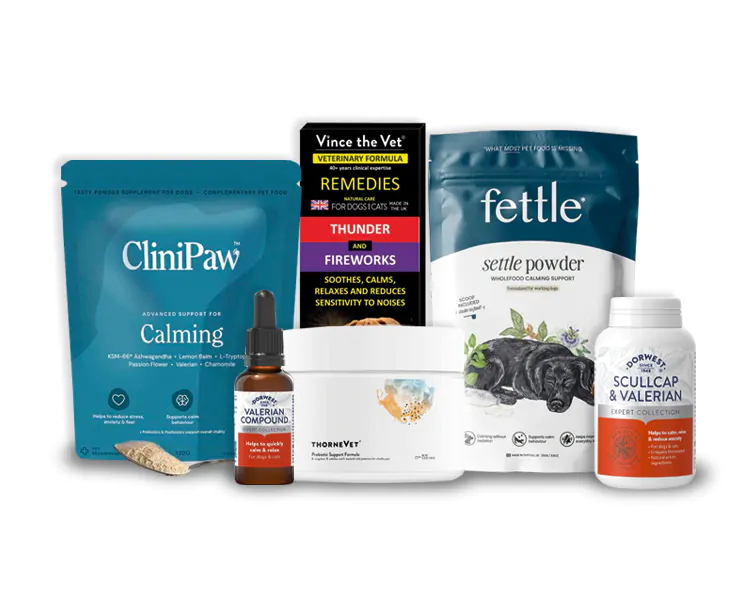
For pets that find fireworks particularly difficult, calming supplements and pheromone products may provide additional support. Ideally, these should be considered before fireworks season begins rather than waiting until your pet is already distressed. If your pet has a severe fear of fireworks, speak to your vet or a qualified clinical animal behaviourist for individual advice.
Planning ahead can make fireworks season much less stressful – take a look at our pet calming and fireworks blogs for lots more practical advice.